
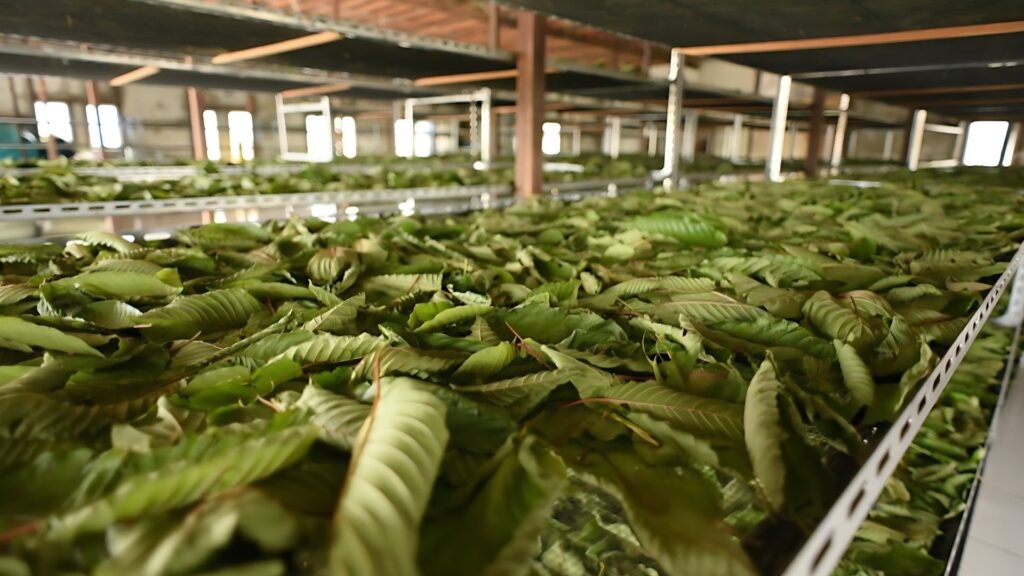
Proper storage is critical for maintaining kratom powder quality throughout the supply chain. For B2B distributors and retailers, understanding storage best practices protects product investment, preserves alkaloid potency, and ensures customer satisfaction.
This comprehensive guide covers essential storage requirements, common mistakes to avoid, and professional recommendations for both warehouse operations and customer education.
Why Proper Storage Matters
Kratom powder contains active alkaloids that can degrade when exposed to adverse environmental conditions. Poor storage leads to multiple problems that impact your business.
Quality Degradation
Improper storage causes:
- Alkaloid breakdown reducing potency
- Color changes indicating oxidation
- Moisture absorption leading to clumping
- Development of off-odors or flavors
- Reduced shelf life and product waste
Business Impact
Storage problems create:
- Customer complaints about effectiveness
- Product returns and refunds
- Damaged reputation and lost trust
- Inventory write-offs from expired stock
- Regulatory compliance concerns
Financial Considerations
Poor storage practices cost money through:
- Spoiled inventory requiring disposal
- Reduced margins from product degradation
- Lost customers due to quality issues
- Increased insurance claims
- Potential regulatory penalties
Critical Storage Parameters
Professional kratom storage requires controlling four key environmental factors. Each parameter significantly impacts product stability and shelf life.
Temperature Control
Temperature represents the most critical storage factor affecting kratom powder stability.
Optimal Temperature Range
Store kratom powder at:
- Ideal: 15-20°C (59-68°F)
- Acceptable: 10-25°C (50-77°F)
- Avoid: Above 30°C (86°F)
- Never: Freeze (causes moisture condensation)
Cool, consistent temperatures preserve alkaloid content and prevent degradation. Temperature fluctuations cause more damage than steady warmer temperatures.
Temperature Effects
High temperatures accelerate:
- Chemical reactions breaking down alkaloids
- Oxidation processes
- Microbial growth if moisture present
- Volatile compound loss
- Color changes
Climate Considerations
Different climates require different approaches:
Tropical Climates (Indonesia, Thailand, Malaysia)
- Use air-conditioned storage facilities
- Monitor temperature 24/7
- Implement backup cooling systems
- Consider refrigerated containers for bulk storage
Temperate Climates (USA, Europe)
- Climate control needed during summer months
- Heating may be required in winter
- Seasonal monitoring essential
- Insulated storage beneficial
Cold Climates (Northern regions)
- Avoid freezing temperatures
- Maintain minimum 10°C
- Watch for condensation when warming
- Insulation critical
Warehouse Temperature Management
For bulk storage operations:
- Install temperature monitoring systems
- Use HVAC with precise control
- Implement temperature logging
- Set up alert systems for deviations
- Create temperature-controlled zones
- Regular calibration of sensors
Humidity Control
Moisture represents the second critical factor in kratom storage. Excess humidity causes immediate and severe product damage.
Optimal Humidity Levels
Maintain relative humidity:
- Ideal: 30-40% RH
- Acceptable: 20-50% RH
- Concern: Above 50% RH
- Critical: Above 60% RH (mold risk)
Low humidity preserves powder free-flow characteristics and prevents microbial growth.
Humidity Effects
High humidity causes:
- Powder clumping and caking
- Mold and bacterial growth
- Alkaloid degradation
- Weight gain (water absorption)
- Packaging degradation
- Quality deterioration
Moisture Prevention
Implement these controls:
- Use dehumidifiers in storage areas
- Maintain proper ventilation
- Seal products in moisture-barrier packaging
- Include desiccant packets in containers
- Monitor humidity continuously
- Avoid storage near water sources
Regional Considerations
High Humidity Regions:
- Aggressive dehumidification required
- Silica gel packets essential
- Frequent monitoring
- Climate-controlled storage mandatory
Dry Regions:
- Humidity usually not problematic
- Focus on dust control
- Prevent static electricity buildup
- Monitor for over-drying
Light Exposure
Light, particularly UV radiation, degrades kratom alkaloids through photochemical reactions.
Light Sensitivity
Kratom alkaloids are photosensitive:
- UV light most damaging
- Direct sunlight causes rapid degradation
- Fluorescent lighting less harmful but cumulative
- Complete darkness ideal
Light Protection
Implement light barriers:
- Opaque packaging materials
- Dark storage areas
- UV-filtering films on windows
- Amber or opaque containers
- Covered storage bins
- Light-blocking warehouse design
Visible Indicators
Light damage shows as:
- Color fading (green turns brown)
- Loss of characteristic aroma
- Reduced potency
- Inconsistent batch appearance
Air Exposure and Oxidation
Oxygen exposure causes oxidation reactions that degrade kratom quality over time.
Oxidation Effects
Air exposure leads to:
- Alkaloid breakdown
- Color darkening
- Aroma loss
- Potency reduction
- Shortened shelf life
Oxygen Barriers
Minimize air exposure through:
- Airtight container seals
- Nitrogen flushing for long-term storage
- Vacuum sealing for small quantities
- Minimal headspace in containers
- Oxygen absorber packets
- Immediate resealing after opening
Container Selection
Proper containers protect kratom from environmental factors while maintaining product integrity.
Food-Grade Materials
Use only food-safe containers:
- FDA-approved plastics (HDPE, PP)
- Food-grade aluminum foil bags
- Glass jars with tight lids
- Mylar bags with zip seals
- Multi-layer laminated pouches
Container Features
Effective containers provide:
- Complete moisture barriers
- Light blocking properties
- Airtight seals
- Durability for handling
- Easy labeling surfaces
- Resealable closures
Packaging by Quantity
Bulk Storage (1kg – 25kg):
- Heavy-duty foil-lined bags
- Heat-sealed closures
- Inner plastic liner
- Outer protective layer
- Proper labeling and lot codes
Retail Packaging (25g – 250g):
- Resealable pouches
- Opaque materials
- Zip-lock or heat-seal tops
- Compact for shelf display
- Professional labeling
Sample Sizes:
- Small zip-lock bags
- Aluminum foil packets
- Heat-sealed pouches
- Labeled with product info
Shelf Life and Expiration
Understanding kratom shelf life helps manage inventory and set realistic expectations.
Expected Shelf Life
Under proper storage conditions:
- Unopened: 18-24 months
- Opened: 12-18 months
- Exposed to air regularly: 6-12 months
- Poor storage: 3-6 months
Factors Affecting Shelf Life
Variables that impact longevity:
- Storage temperature consistency
- Humidity exposure
- Light exposure frequency
- Container quality
- Initial product moisture content
- Frequency of opening
Setting Expiration Dates
Conservative approach recommended:
- Mark expiration 18 months from production
- Consider storage conditions in destination market
- Account for distribution time
- Build in safety margin
- Follow local regulations
FIFO Management
Implement First-In-First-Out:
- Date all incoming inventory
- Rotate stock systematically
- Move older inventory forward
- Monitor approaching expirations
- Discount near-expiry products
- Prevent waste through proper rotation
Signs of Degraded Kratom
Educate staff and customers on quality indicators to identify compromised product.
Visual Indicators
Watch for these changes:
- Color darkening or fading
- Clumping or caking
- Visible mold (white, green, or black spots)
- Foreign material contamination
- Unusual discoloration patterns
Smell Indicators
Aroma changes signal problems:
- Musty or moldy odors
- Lost characteristic earthy smell
- Chemical or plastic odors
- Rancid or sour smells
- Diminished overall aroma
Physical Changes
Texture alterations include:
- Hard clumps that don’t break easily
- Excessive stickiness
- Dustiness or powder separation
- Moisture condensation in packaging
- Difficulty pouring or measuring
When to Discard
Remove from inventory if:
- Visible mold present
- Strong off-odors detected
- Severe discoloration
- Past expiration date
- Storage conditions compromised
- Customer complaints received
Warehouse Storage Best Practices
Large-scale storage requires systematic approaches to maintain quality across high volumes.
Storage Zone Design
Organize warehouse effectively:
- Designated climate-controlled areas
- Separate raw materials from finished goods
- Quarantine zones for incoming shipments
- Testing areas away from main storage
- Clear traffic flows for handling
- Adequate space between pallets
Stacking and Arrangement
Proper product arrangement:
- Maximum 4-5 pallets high
- Maintain air circulation gaps
- Store off floor on pallets or racks
- Organize by product type
- Group by lot number
- Clear labeling on all sides
Environmental Monitoring
Implement tracking systems:
- Temperature sensors in multiple zones
- Humidity monitors throughout facility
- Automated data logging
- Real-time alerts for deviations
- Regular calibration schedules
- Documentation of all readings
Pest Control
Protect inventory from contamination:
- Regular pest inspections
- Sealed facility entry points
- Pest traps and monitoring stations
- Clean facilities policy
- No food or drink in storage areas
- Immediate cleanup of spills
Security Measures
Safeguard valuable inventory:
- Controlled access to storage areas
- Surveillance cameras
- Inventory tracking systems
- Regular cycle counts
- Visitor logs and escorts
- Employee training on protocols
Retail Storage Recommendations
Smaller retail operations require adapted storage approaches suitable for limited space.
Retail Space Limitations
Maximize available space:
- Dedicated storage closet or room
- Avoid near windows or heat sources
- Away from HVAC vents
- Clean, dry environment
- Organized shelving systems
- Regular cleaning schedules
Display Considerations
Balance display needs with protection:
- Minimize light exposure time
- Use display samples only
- Keep main inventory in back room
- Rotate display stock frequently
- Proper labeling for customers
- Temperature monitoring in display areas
Inventory Management
Efficient small-scale practices:
- Order appropriate quantities
- Avoid overstocking slow-moving items
- Regular inventory audits
- First-in-first-out rotation
- Track sales velocity
- Seasonal demand planning
Customer Education
Help customers maintain product quality after purchase through clear guidance.
Storage Instructions on Labels
Include on packaging:
- Store in cool, dry place
- Keep away from direct sunlight
- Seal tightly after opening
- Use within 12 months of opening
- Keep out of reach of children
- Storage temperature range
Providing Storage Tips
Educate customers on:
- Transferring to airtight containers
- Avoiding bathroom storage (humidity)
- Refrigeration not recommended (condensation risk)
- Keeping original packaging when possible
- Checking for quality before use
- Signs of degradation to watch for
Customer FAQ
Address common questions:
- “Can I freeze kratom?” – Not recommended due to condensation
- “How long does it last?” – 12-18 months properly stored
- “What if it clumps?” – Humidity exposure, may still be usable if no mold
- “Should I refrigerate?” – No, condensation causes problems
- “Can I store in original bag?” – Yes, if resealable and kept sealed
Common Storage Mistakes
Learn from frequent errors to avoid costly problems.
Mistake 1: Inadequate Sealing
Problem: Leaving containers partially open or poorly sealed Solution: Always ensure complete closure with proper sealing
Mistake 2: Wrong Storage Location
Problem: Storing near heat sources, windows, or humid areas Solution: Choose cool, dark, dry locations away from environmental hazards
Mistake 3: Ignoring Expiration Dates
Problem: Using or selling expired products Solution: Implement strict FIFO rotation and monitor dates
Mistake 4: Mixing Old and New Batches
Problem: Combining different lots in same container Solution: Keep batches separate, track lot numbers
Mistake 5: Inadequate Climate Control
Problem: Allowing temperature and humidity fluctuations Solution: Invest in proper environmental controls and monitoring
Mistake 6: Poor Container Choices
Problem: Using non-food-grade or permeable containers Solution: Select appropriate food-safe, barrier packaging
Mistake 7: Excessive Handling
Problem: Frequent opening and exposure to air Solution: Portion into smaller containers for daily use
Storage Solutions by Business Scale
Different business sizes require tailored storage approaches.
Small Retailers (< 50kg inventory)
Practical solutions:
- Dedicated storage cabinet or closet
- Portable dehumidifier
- Sealed food-grade containers
- Regular inventory rotation
- Simple temperature monitoring
- Weekly quality checks
Medium Distributors (50-500kg inventory)
Scaled-up systems:
- Climate-controlled storage room
- Professional dehumidification
- Commercial shelving systems
- Automated monitoring
- Inventory management software
- Batch tracking systems
Large Wholesalers (> 500kg inventory)
Professional facilities:
- Dedicated climate-controlled warehouse
- Zone-based storage systems
- Automated environmental controls
- Real-time monitoring and alerts
- Comprehensive inventory management
- Quality control laboratories
Quality Assurance Integration
Storage connects to broader quality management systems.
Documentation Requirements
Maintain records of:
- Temperature and humidity logs
- Inventory receipt dates
- Storage location assignments
- Quality inspection results
- Environmental excursions
- Corrective actions taken
Standard Operating Procedures
Develop written procedures for:
- Receiving and inspection
- Storage location assignment
- Environmental monitoring
- Inventory rotation
- Quality checks
- Deviation handling
- Product release
Employee Training
Train staff on:
- Importance of proper storage
- Environmental requirements
- Handling procedures
- Quality indicators
- Documentation requirements
- Emergency procedures
- Contamination prevention
Rocket Botanicals Storage Standards
We implement comprehensive storage protocols to ensure every shipment arrives in optimal condition.
Our Facility Standards
Climate-controlled storage with:
- Maintained 18-22°C temperature
- 30-40% relative humidity
- Complete darkness in storage zones
- Industrial dehumidification systems
- 24/7 environmental monitoring
- Backup power systems
Quality Verification
Before shipment, we verify:
- Product appearance and consistency
- Appropriate moisture content
- Proper packaging integrity
- Accurate labeling and lot codes
- Documentation completeness
- Storage condition records
Packaging for Distribution
Every shipment includes:
- Multi-layer moisture-barrier packaging
- Heat-sealed closures
- Silica gel desiccants
- Opaque outer layers
- Clear storage instructions
- Expiration date labeling
Customer Support
We provide:
- Storage guidance documentation
- Technical consultation for large operations
- Climate data for shipping routes
- Packaging recommendations
- Troubleshooting support
- Quality concern investigation
Shipping and Transit Considerations
Product quality depends on maintaining proper conditions during transportation.
Transit Challenges
Shipping exposes products to:
- Temperature extremes
- Humidity variations
- Extended exposure times
- Rough handling
- Customs storage delays
- Multiple climate zones
Protective Measures
Mitigate transit risks through:
- Insulated packaging for temperature extremes
- Multiple barrier layers
- Desiccant packets
- Expedited shipping options
- Climate-controlled freight when possible
- Insurance coverage
Receiving Best Practices
Upon shipment arrival:
- Inspect packaging immediately
- Check for damage or exposure
- Verify temperature indicators (if used)
- Transfer to proper storage quickly
- Document receipt condition
- Report concerns immediately
Conclusion
Proper kratom storage protects your investment, maintains product quality, and builds customer trust. By implementing the storage best practices outlined in this guide, distributors and retailers can maximize shelf life, minimize losses, and deliver consistent quality.
Temperature control, humidity management, light protection, and appropriate containers form the foundation of effective storage. Combined with proper monitoring, rotation, and handling procedures, these practices ensure kratom powder maintains optimal quality throughout the supply chain.
Get Expert Storage Guidance
Have specific questions about kratom storage for your operation? Our technical team provides personalized recommendations based on your facility size, climate, and business needs.
Contact Rocket Botanicals
WhatsApp: +62 896 7767 6498 Email: rocketbotanicals.id@gmail.com
We supply premium kratom powder with complete storage guidance and quality support for B2B customers worldwide.